
Views: 0 Author: Site Editor Publish Time: 2026-11-10 Origin: Site


Stack testing, often called source testing, represents the procedural evaluation of industrial waste gas streams released into the atmosphere. It serves as a frontline defense for environmental protection. However, this process is not merely a scientific exercise. It operates as a critical compliance mandate for modern facilities. Testing dictates operating permits. It prevents steep regulatory fines. It also mitigates long-term environmental liability. Plant operators rely on these metrics to maintain legal standing.
Facility managers and environmental health and safety (EHS) leaders need practical guidance. You must understand precisely what parameters require measurement. You must also know what hardware gets the job done. This article provides a clear breakdown of stack testing fundamentals. We explore the core pollutants and physical metrics targeted during evaluations. We also detail how you can assess testing solutions for both accuracy and compliance.
Stack testing quantifies specific pollutants (particulates, gases) and physical exhaust parameters (flow, temperature, moisture) to prove regulatory compliance.
Choosing the right fixed-source emission testing equipment directly impacts data validity and minimizes the risk of rejected test results.
Evaluation of testing methodology must account for implementation realities, such as harsh stack conditions, calibration drift, and stringent EPA (or local equivalent) method standards.
Successful stack testing requires balancing equipment capability, operator expertise, and verifiable data security.
Industrial facilities face strict regulatory oversight regarding their atmospheric emissions. You cannot simply estimate what your plant releases. Regulators require empirical proof. Facilities perform stack tests to satisfy several core mandates. First, new plants must conduct initial compliance demonstrations. This proves their operations align with original design permits. Second, established sites need ongoing Title V permit renewals. Finally, plants utilizing continuous emission monitoring systems (CEMS) must conduct relative accuracy test audits (RATA). These audits verify automated sensors still report correct values over time.
Many operators mistakenly believe a successful test requires showing zero emissions. This is incorrect. A successful stack test delivers accurate, legally defensible data. It proves your plant operates within its permitted thresholds. Environmental agencies want reliable baselines. They look for data integrity. Your numbers must reflect stable, representative plant operations. If your plant burns natural gas, the emissions profile must match expected engineering models for that specific fuel load.
Failing a stack test triggers severe consequences. The most immediate risk is forced operational downtime. Agencies may order you to shut down processes until you fix the emission exceedance. Regulatory scrutiny also intensifies. Your facility might enter a heightened enforcement category. Furthermore, inaccurate testing carries a heavy financial burden. You face mandatory re-testing. Mobilizing a test crew twice doubles your immediate expenditures. It also stretches your internal EHS resources to their breaking point.
Stack testing targets two broad categories of information. We measure the actual pollutants leaving the stack. We also measure the physical behavior of the gas stream itself. Both datasets remain necessary to calculate total mass emission rates.
Particulate matter refers to solid or liquid particles suspended in the exhaust. Regulators classify these by size. PM10 includes particles smaller than 10 micrometers. PM2.5 includes even finer particles. These fine particulates pose significant respiratory risks to surrounding communities. Testing crews extract samples carefully on specialized filters. They then weigh these filters in a controlled laboratory environment. This provides the exact mass of particulate emitted during the run time.
Combustion and chemical processes generate various harmful gases. Evaluators identify concentrations of specific target compounds. The most common include Nitrogen Oxides (NOx), Sulfur Dioxide (SO2), and Carbon Monoxide (CO). Industrial sites also monitor hazardous air pollutants (HAPs) and Volatile Organic Compounds (VOCs). Identifying these gases requires sophisticated sensor arrays. Real-time chemical analysis ensures you capture the exact combustion efficiency of your boilers or furnaces.
You cannot determine your total environmental impact by looking at pollutant concentrations alone. You must understand the physical dynamics of the exhaust. Testers track three primary operational metrics:
Velocity and Volumetric Flow Rate: We must know how fast the gas travels. Velocity allows us to calculate the volumetric flow rate. This rate proves essential for calculating the total mass emission rate (e.g., pounds per hour).
Temperature and Pressure: Stack gases exist in extreme states. Testers use temperature and pressure readings to standardize volume measurements. Standardizing data allows regulators to compare your plant against national baselines fairly.
Moisture Content: Exhaust streams contain significant water vapor. You must determine the exact moisture level. This step is necessary to correct pollutant concentrations to a "dry basis." Regulators rely on dry-basis data for direct regulatory comparison.
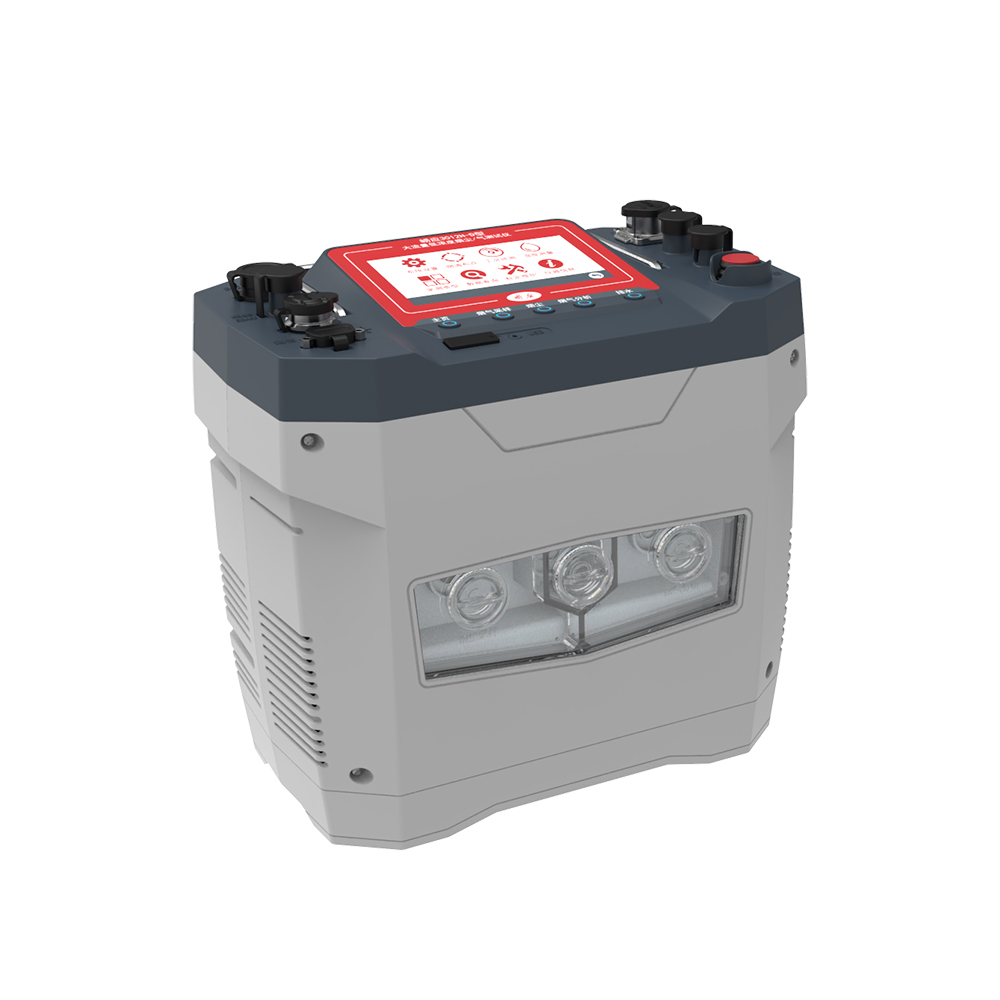
Accurate measurement relies heavily on specialized hardware. Procurement teams and EHS managers must scrutinize the tools deployed at their sites. Utilizing robust fixed-source emission testing equipment guarantees that field data translates into acceptable regulatory reports. Below, we break down the fundamental devices required for comprehensive analysis.
Extracting particulates demands precision. You must use an isokinetic stack dust sampler. This tool extracts particulate samples at the exact velocity of the stack gas. If you pull the sample too slowly, lighter particles bypass the nozzle. If you pull it too fast, you over-sample heavy particles. Both scenarios ruin particle size distribution data. When evaluating this equipment, look for robust temperature control. The probe and filter boxes must stay heated to prevent condensation. You also need precise nozzle sizing capabilities. Finally, verify absolute compliance with EPA Method 5 specifications.
For chemical quantification, operators use a portable infrared flue gas analyzer. This device provides rapid, real-time quantification of combustion gases. It typically targets NOx, SO2, CO, and CO2. Modern infrared sensors offer exceptional stability. When assessing these analyzers, look closely at cross-interference mitigation. Other gases in the stream should not skew your target readings. You should also evaluate battery longevity in field conditions. A test run might last hours. You cannot afford power failures mid-test. Sensor response speed matters too. Rapid response times help technicians identify unstable combustion phases immediately.
Water vapor fundamentally alters gas volume calculations. A reliable flue gas moisture detector accurately determines the water vapor content in the exhaust stream. Wet chemistry methods exist, but electronic detectors offer faster integration. Evaluation criteria should focus on durability. Stacks often present high-corrosion environments. Acidic moisture can destroy cheap probes instantly. Furthermore, ensure the detector provides seamless data integration. It must communicate efficiently with your primary flow calculators.
Hardware pieces must work together seamlessly. Prioritize modularity when assembling a testing kit. Field-ruggedness remains non-negotiable. Instruments will drop. They will face extreme heat. They will encounter vibrating platforms. Additionally, demand secure, tamper-proof data logging. Regulators look for immutable data trails. Your equipment should generate reports ready for immediate audit review.
Table 1: Equipment Evaluation Summary
Equipment Category | Primary Role | Key Evaluation Criteria |
|---|---|---|
Particulate Sampler | Isokinetic extraction of PM | EPA Method 5 compliance, heated probe stability, nozzle precision |
Infrared Gas Analyzer | Real-time chemical quantification | Cross-interference limits, field battery life, response speed |
Moisture Detector | Water vapor volume calculation | Corrosion resistance, seamless digital integration |
Even the best hardware fails if implemented poorly. Stack testing requires meticulous methodology. Teams face hostile working conditions and complex physics. Understanding where tests commonly fail helps you prevent costly reruns.
Failing to match stack velocity skews particulate data significantly. We discussed the importance of isokinetic sampling earlier. In the field, maintaining this balance proves incredibly difficult. Flow rates fluctuate as plant loads shift. If the technician fails to adjust the sample pump speed dynamically, the test goes out of bounds. The EPA dictates strict isokinetic variation limits. Tests falling outside these margins usually result in voided data. Regulatory rejection inevitably follows.
Gas analyzers rely on sensitive internal components. Extreme heat and corrosive gases take their toll. Calibration drift represents a major risk. An analyzer might read perfectly during morning zero-span checks. However, after three hours of SO2 exposure, the sensor baseline might shift. If a post-test calibration check fails, you lose the entire run. Proper pre-test calibration protocols are essential. Technicians must use certified calibration gases. They must also monitor instrument temperature constantly to prevent thermal drift.
Logistical hurdles often delay testing. Technicians require safe port access. Scaffolding must meet safety regulations. Hoisting heavy equipment fifty feet into the air takes time and coordination. Plant readiness also plays a crucial role. The facility must maintain stable operating conditions during the test window. If the boiler trips offline, or if production slows down unexpectedly, the test becomes invalid. Coordination between the testing crew and the plant control room is critical.
Facilities must decide how to execute these mandated tests. Do you build internal capabilities, or do you hire external specialists? Your choice impacts both daily operations and long-term compliance strategies.
Handling tests internally offers distinct advantages. It provides long-term control for frequent testing needs. If your permit requires monthly checks, an internal team makes logistical sense. However, this route demands high upfront capital expenditure for equipment. It also requires heavy ongoing training. Regulations change, and your staff must stay updated.
Conversely, third-party contractors offer a different value proposition. They present a lower initial capital cost. You transfer compliance liability directly to specialists. These teams perform tests daily. They navigate complex scenarios efficiently. Hiring external firms proves ideal for complex, annual compliance audits. It frees your EHS team to focus on proactive safety measures rather than regulatory data collection.
If you choose external partners, vet them rigorously. Demand transparency in the vendor’s standard operating procedures (SOPs). You must ask specific questions. Do they strictly adhere to EPA reference methods? Many vendors offer "equivalent" methods. Ensure regulators actually accept those alternatives in your jurisdiction. Review their documentation practices. Are their calibration records traceable? Can you access them easily during a surprise audit? An experienced vendor welcomes this scrutiny. They understand that their reputation relies on unassailable data.
Modern compliance requires bulletproof data management. Ensure the chosen solution provides immutable data trails. Whether you buy hardware or hire a service, the data must remain secure. Spreadsheets are easily manipulated. Regulators prefer automated, encrypted data logs. Seek solutions that generate compliance-ready reporting formats. Automated reporting minimizes administrative overhead. It also reduces human error during data transcription.
A stack test is an essential diagnostic tool. It measures both the chemical makeup and physical behavior of industrial exhaust. This data verifies environmental compliance and protects public health. You cannot treat it as an afterthought. It demands rigorous planning and execution.
The validity of these measurements relies entirely on two factors. First, the quality of the equipment dictates accuracy. Second, the rigor of the methodology applied ensures legal defensibility. Cutting corners on either front leads to voided tests and regulatory penalties.
Take proactive steps immediately. Audit your current testing protocols. Assess the lifespan and accuracy of your existing fixed-source equipment. Finally, initiate vendor consultations based on the specific methods required by your site permits. Staying ahead of regulatory demands keeps your facility operational and compliant.
A: Testing frequency depends on local regulations and specific facility permits. Timelines vary widely based on your industry and emission volume. Requirements can range from quarterly audits for high-risk sites to once every five years for minor emission sources.
A: A failed test triggers immediate notification requirements to your local environmental agency. You must perform a root cause analysis to identify the malfunction. Following corrective actions, the facility faces mandatory re-testing timelines to prove it has returned to compliance.
A: It depends on the specific EPA method and the analyzer’s certification. While highly effective for preliminary tuning and diagnostic checks, official compliance reporting often requires specific regulatory approvals and rigorous calibration documentation for portable devices.
A: Regulators require emission limits to be reported on a "dry basis" for fair comparison. Exhaust streams naturally contain varying water vapor levels. The flue gas moisture detector is essential because it provides the data needed for this mathematical dry-basis conversion.


