
Views: 0 Author: Site Editor Publish Time: 2026-11-20 Origin: Site


Measuring chemical oxygen demand acts as much more than a simple regulatory checkbox. It provides a critical, rapid-response metric for plant operators. You need it to optimize wastewater treatment efficiency and ensure tight operational control. The fundamental chemistry of this testing remains highly consistent across the industry today. However, the mechanical execution of the measurement has shifted dramatically in recent years. Modern laboratories steadily move away from manual, error-prone titration methods. Instead, they embrace highly regulated, automated workflows to handle daily sample loads.
Choosing the right measurement methodology requires balancing strict regulatory compliance against your facility throughput demands. You also must prioritize operator safety when handling hazardous chemicals. This guide explores the standardized chemistry behind the tests. We compare traditional manual testing against modern automated approaches. You will also learn the key evaluation criteria for selecting new instrumentation and how to navigate adoption risks. Ultimately, you will discover how these modern systems accelerate your data-driven decisions.
The dichromate reactor method remains the global standard for COD measurement due to its high oxidation efficiency.
Transitioning from manual reflux methods to an automatic dichromate COD analyzer drastically reduces human error, limits hazardous reagent exposure, and increases sample throughput.
Selecting water quality monitoring instruments requires evaluating not just upfront capital, but consumable costs, reagent disposal protocols, and integration with existing Laboratory Information Management Systems (LIMS).
Unlike BOD (which takes 5 days), COD provides actionable data in 2 hours, making automated COD testing essential for real-time process control.
You must understand the foundational chemistry before evaluating any equipment. The process relies on a highly aggressive oxidation reaction. We use potassium dichromate as a strong oxidizing agent. Technicians introduce it into a boiling acidic medium. Sulfuric acid creates this harsh environment. The reaction also requires a catalyst to speed up the breakdown of organic matter. Silver sulfate serves this exact purpose. Together, these chemicals break down almost all organic compounds in a wastewater sample. The amount of dichromate consumed directly correlates to the organic pollution level. This fundamental principle dictates every modern testing method.
The testing process involves two distinct phases. First, we have the digestion phase. The sample boils at exactly 150 degrees Celsius for two hours. Next comes the quantification phase. We must measure the remaining unreacted dichromate. Historically, technicians used manual titration. They added a ferrous ammonium sulfate solution drop by drop. A color indicator signaled the endpoint. Today, labs prefer colorimetry. We pass light through the digested sample. A spectrophotometer measures the light absorbance. This colorimetric method translates perfectly into automated workflows. It provides faster results and removes human subjectivity from the reading.
You cannot simply invent a new testing method. Facilities must adhere to strict regulatory baselines. The Environmental Protection Agency established EPA Method 410.4. This dictates the precise chemical ratios and thermal profiles required for compliance. Internationally, laboratories follow ISO 6060 standards. These frameworks define what constitutes a legally compliant measurement. You must ensure your equipment meets these exact specifications. Deviating from the mandated digestion time or temperature invalidates the results. Regulatory auditors scrutinize these parameters during facility inspections. Therefore, technical authority always rests on strict adherence to these published methods.
We must transparently address the environmental hazards of this test. The reagents are highly toxic. Potassium dichromate contains hexavalent chromium. This is a known carcinogen. Furthermore, wastewater often contains chlorides. Chlorides interfere with the oxidation process and artificially inflate the results. We use mercury sulfate to mask these chlorides. Mercury is notoriously toxic. You cannot simply wash these chemicals down the drain. Facilities must implement rigorous hazardous waste management protocols. They must collect, store, and dispose of the digested vials through certified chemical waste handlers. Ignoring this reality invites severe environmental penalties.
Many older facilities still recall the open reflux method. This represents the legacy approach to testing. Technicians used large macro-scale glassware. They boiled 50-milliliter samples in massive flasks. The process consumed huge volumes of toxic reagents. Labs required extensive fume hood space to safely vent the boiling acid vapors. Scalability remained incredibly poor. An operator could only process a few samples at a time. Furthermore, the risk of chemical burns was exceptionally high. Moving boiling flasks of sulfuric acid manually invites disaster. This method no longer suits modern, high-volume wastewater plants.
The industry eventually shifted to the closed micro-reflux method. Manufacturers introduced pre-mixed reagent vials. You only add two milliliters of your wastewater sample. This drastically minimizes reagent use and hazardous waste generation. The sealed vials eliminate toxic vapor release. However, this approach still demands significant manual handling. Technicians must manually pipette viscous samples into narrow vials. They must wipe the glass perfectly clean before inserting it into a spectrophotometer. The timing depends entirely on human punctuality. While safer than open reflux, it still restricts laboratory throughput.
High-throughput facilities now demand automated solutions. We introduce the automatic dichromate COD analyzer as the modern standard. These robotic systems eliminate operator intervention entirely. Automation handles the precision pipetting of both samples and reagents. It dispenses highly viscous sulfuric acid safely behind closed doors. The machine controls the digestion timing to the exact second. It then automatically cools the samples and performs the colorimetric reading. You load the raw samples and walk away. This mitigates human error completely. It ensures exact thermal profiles for every single batch.
Instrument Evaluation Criteria Summary
Criterion | Focus Area | Key Benefit |
|---|---|---|
Accuracy | EPA/ISO Compliance | Ensures audit-ready reporting. |
Capacity | Batch Sizes (30-100+) | Scales to match daily volume. |
Safety | Enclosed Architecture | Prevents operator acid exposure. |
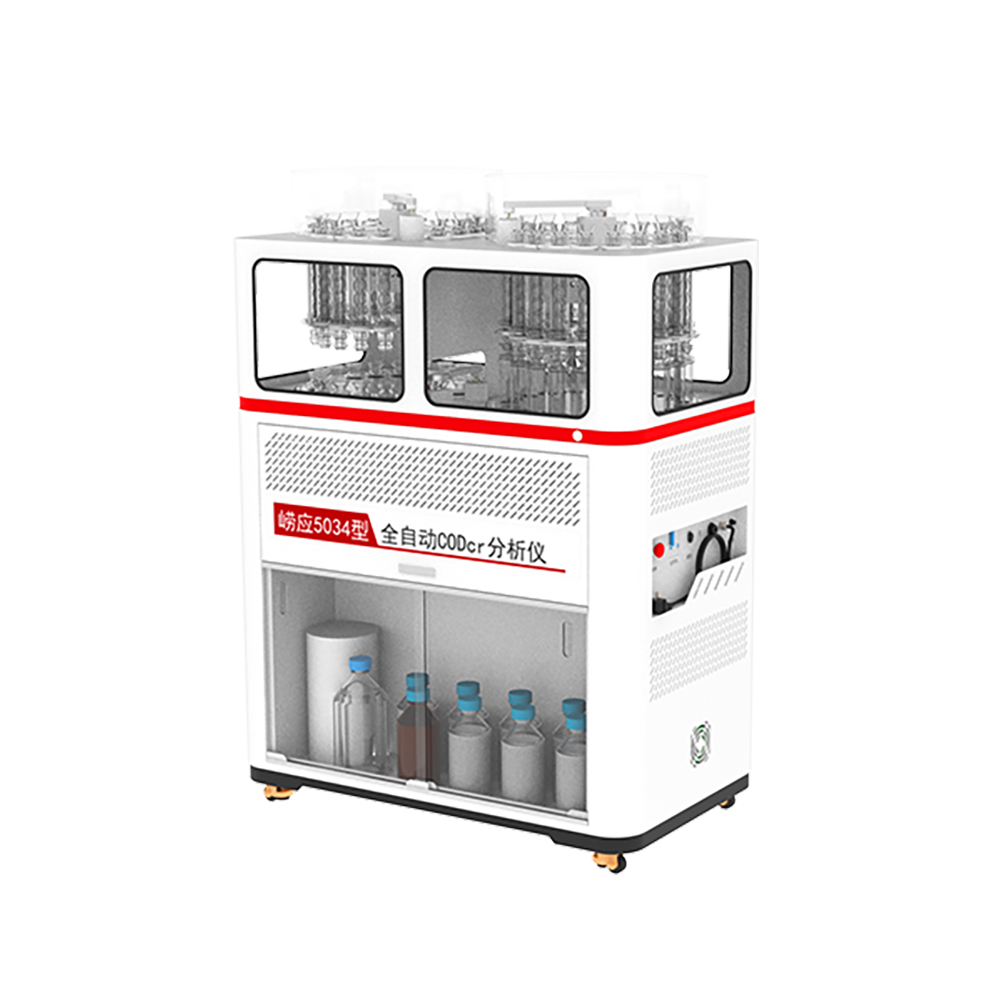
You must verify the technical capabilities of your equipment. Not all water quality monitoring instruments meet strict regulatory reporting standards. Some systems only provide estimations for internal process monitoring. You need to ask manufacturers directly about method compliance. Does the machine perform the exact digestion specified in EPA Method 410.4? If it uses alternative wavelengths or shortens the heating cycle, you cannot use the data for legal reporting. Always demand certification documentation before purchasing. Your facility permit depends on generating defensible, compliant data.
You should carefully assess the instrument capacity against your daily testing volume. Laboratories operate under tight schedules. Evaluate the available batch sizes. Small automated units might process 30 samples simultaneously. Larger industrial models can handle 60 or even 100+ samples per run. You must account for blank tests and calibration standards within those numbers. A 30-position machine might only yield 25 actual sample results. Calculate your peak weekly volume. Choose a machine that comfortably handles your busiest days without requiring back-to-back, overnight runs.
Operator safety must remain your primary concern. Handling boiling sulfuric acid poses severe risks. You must evaluate the closed-system engineering of any potential instrument. Does the machine feature a locked safety shield during digestion? How does it handle potential tube blockages? The best systems utilize negative pressure ventilation. This protects operators from toxic vapor exposure if a reaction vial cracks. They also include automated leak detection. Sensors immediately halt the pumps if they detect acid splatters. Never compromise on physical safety features when upgrading your laboratory.
Upgrading your lab creates temporary disruptions. You must actively manage the learning curve for your technicians. They are transitioning from manual glassware to complex software interfaces. Some staff may resist trusting the automated results initially. You need a structured training program. Show them how the software logs every pipetting action. Teach them how to interpret the error codes. When they realize the machine frees them from hazardous, repetitive tasks, adoption rates improve. Plan for a transitional period where you run manual and automated tests side-by-side.
Automated analyzers rely on complex mechanics. They will eventually experience downtime. You must prepare for common mechanical failure points. The machines pump highly concentrated acids daily. This harsh environment degrades pump tubing rapidly. You must replace these consumable lines strictly on schedule. Optical sensors also present challenges. Acid fumes or accidental spills can fog the lenses. This directly skews the colorimetric readings. You must establish a rigid preventative maintenance routine. Ignoring daily cleaning protocols will result in major operational bottlenecks.
Data transcription errors plague manual laboratories. Technicians often write numbers on paper before typing them into a computer. Automation solves this problem, provided you set it up correctly. Evaluate how seamlessly the instrument exports data. It must connect to your Laboratory Information Management System (LIMS). The software should generate audit-ready files automatically. It needs to tag each result with a timestamp, operator ID, and calibration curve reference. This creates an unbroken chain of custody for your data. It directly supports compliance audits and prevents accidental falsification.
We must maintain objective credibility regarding automation. These advanced systems are not magical boxes. They still struggle with extreme sample matrices. High-chloride wastewater presents the biggest limitation. Automation does not change the underlying chemistry. If your sample exceeds 2000 mg/L of chloride, standard mercury sulfate masking fails. The automated system will generate artificially high results. For extreme cases, you must implement specialized dilution protocols before loading the autosampler. You must understand your wastewater profile before trusting the output blindly.
Plant operators face a constant battle against time. Biochemical Oxygen Demand (BOD) remains a crucial regulatory metric. However, it requires five full days to generate a result. You cannot operate a dynamic wastewater plant looking five days into the past. If a toxic spill kills your biological treatment basin on Monday, a BOD test alerts you on Saturday. That time-to-action gap is unacceptable. COD provides actionable data in just two hours. This rapid turnaround allows you to identify process upsets immediately and intervene before violations occur.
Facilities rely heavily on the predictive value of these rapid tests. Municipal and industrial wastewater typically exhibits a consistent COD to BOD ratio. For example, your specific plant might consistently show a 2:1 ratio. Once you establish this historical baseline, you can estimate your BOD rapidly. You run the two-hour test, divide by your ratio, and instantly predict your five-day outcome. This makes automated measurement the actual driver of daily plant operations. You use this data to adjust aeration rates, tweak chemical dosing, and optimize energy consumption in real-time.
COD and BOD Comparison Chart
Metric | Biochemical Oxygen Demand (BOD) | Chemical Oxygen Demand (COD) |
|---|---|---|
Testing Duration | 5 Days | 2 Hours |
Primary Use | Regulatory Reporting | Real-Time Process Control |
Oxidation Method | Biological Microorganisms | Chemical Reagents |
Predictive Nature | Historical Record | Immediate Baseline |
Measuring chemical oxygen demand requires a careful balance. You must maintain strict chemical precision while maximizing operational efficiency. The transition away from manual testing is no longer optional for growing facilities. It is a fundamental requirement for safety and data integrity. The underlying chemistry remains hazardous and demanding. However, modern robotic execution isolates your staff from these dangers.
Your shortlisting logic should reflect your specific reality. Low-volume labs processing five samples a week may still rely on manual micro-reflux vials. However, facilities processing dozens of samples daily must migrate to automated solutions. It is the only way to maintain laboratory margins and ensure operator safety.
We recommend taking immediate action to evaluate your current setup. Follow these next steps:
Audit your current weekly sample volume to establish a baseline.
Calculate the exact labor hours your technicians spend on manual digestion and titration.
Review your recent safety incident reports regarding acid handling.
Request a live system demonstration from a reputable instrument manufacturer.
A: Colorimetry uses a spectrophotometer to measure light absorbance. The remaining color intensity indicates the pollution level. It is fast and ideal for automation. Titration relies on manually adding a reactant drop-by-drop until a visible color change occurs. It is highly accurate but very labor-intensive.
A: Yes, but with limits. Automation does not change the core chemistry. High chlorides still require mercury sulfate masking. If chlorides are extreme, the sample needs pre-dilution. Advanced automated instruments can perform this dilution step for you.
A: The EPA approves the testing method, such as EPA 410.4, rather than the brand of the machine. You must verify that the specific instrument executes this exact approved methodology. It cannot use unauthorized deviations in temperature or time.
A: They require daily blank checks to ensure baseline accuracy. You should run full calibration curves monthly. You must also recalibrate whenever you change reagent batches or replace major pump components to maintain trustworthiness.


