
Views: 0 Author: Site Editor Publish Time: 2026-06-05 Origin: Site


Industrial facilities face immense pressure to maintain environmental compliance while hitting aggressive production targets. Navigating these strict air quality regulations demands precise, reliable, and continuous data. A Fixed Source Emission Monitor serves as a highly regulated hardware-software ecosystem. We use it specifically to quantify pollutants released from stationary sources like plant stacks and exhaust ducts.
Selecting the wrong system creates far more than a minor operational headache. Inadequate monitoring infrastructure inevitably leads to failed regulatory audits, severe financial fines, and costly unplanned facility downtime. This guide provides plant managers, environmental engineers, and procurement teams with a clear, objective framework. We will help you evaluate, shortlist, and successfully implement these essential compliance systems. You will discover exactly how modern technologies safeguard your operations and ensure continuous regulatory alignment.
A reliable Fixed Source Emission Monitor mitigates regulatory risk by ensuring continuous, auditable data compliance (e.g., EPA 40 CFR Part 75).
Modern compliance strategies increasingly integrate traditional continuous monitors with agile tools like an Intelligent Stack Dust(Gas)Tester and aerial inspections.
Implementation success depends less on the hardware itself and more on sample conditioning, site preparation, and data acquisition system (DAS) integration.
A compliance-grade emission monitor is never a single standalone device. It functions as a complex, integrated ecosystem. We must understand its three primary subsystems to evaluate overall reliability.
The sample extraction system dictates the success of your entire monitoring effort. You must pull flue gas from the stack and deliver it to the analyzer without altering its chemical composition. Extractive systems utilize heated probes and heated sample lines. They keep the gas above its dew point to prevent condensation. If condensation occurs, water-soluble gases like sulfur dioxide (SO2) dissolve and disappear before reaching the analyzer. You will report artificially low emissions, which creates severe compliance risks.
Furthermore, active moisture removal mechanisms, such as Peltier coolers, dry the sample right before it enters the sensor array. Conditioning failures account for the vast majority of system downtime. You should prioritize redundant cooling loops and accessible particulate filters to keep your system online.
Once the gas reaches the analytical rack, specific sensors measure the target pollutants. Manufacturers employ several core measurement technologies. Each offers distinct operational trade-offs.
Non-Dispersive Infrared (NDIR): Excellent for measuring carbon monoxide (CO) and carbon dioxide (CO2). NDIR sensors are highly robust but sometimes suffer from cross-interference if excess moisture enters the cell.
Fourier Transform Infrared (FTIR): This advanced technique measures multiple gases simultaneously. It provides high accuracy but requires highly trained technicians for optical maintenance.
Ultraviolet Differential Optical Absorption Spectroscopy (UV-DOAS): UV-DOAS excels at detecting SO2 and nitrogen oxides (NOx). It inherently ignores water vapor, making it ideal for high-moisture exhaust streams.
The Data Acquisition and Handling System serves as the legal bridge between your plant and the environmental regulator. The DAHS collects raw analog signals from the sensors and converts them into legal reporting formats. It must handle automated compliance reporting, ensure secure data storage, and maintain tamper-proof audit logs. Regulators will reject your data if the DAHS cannot prove continuous, uninterrupted recording during plant operation.
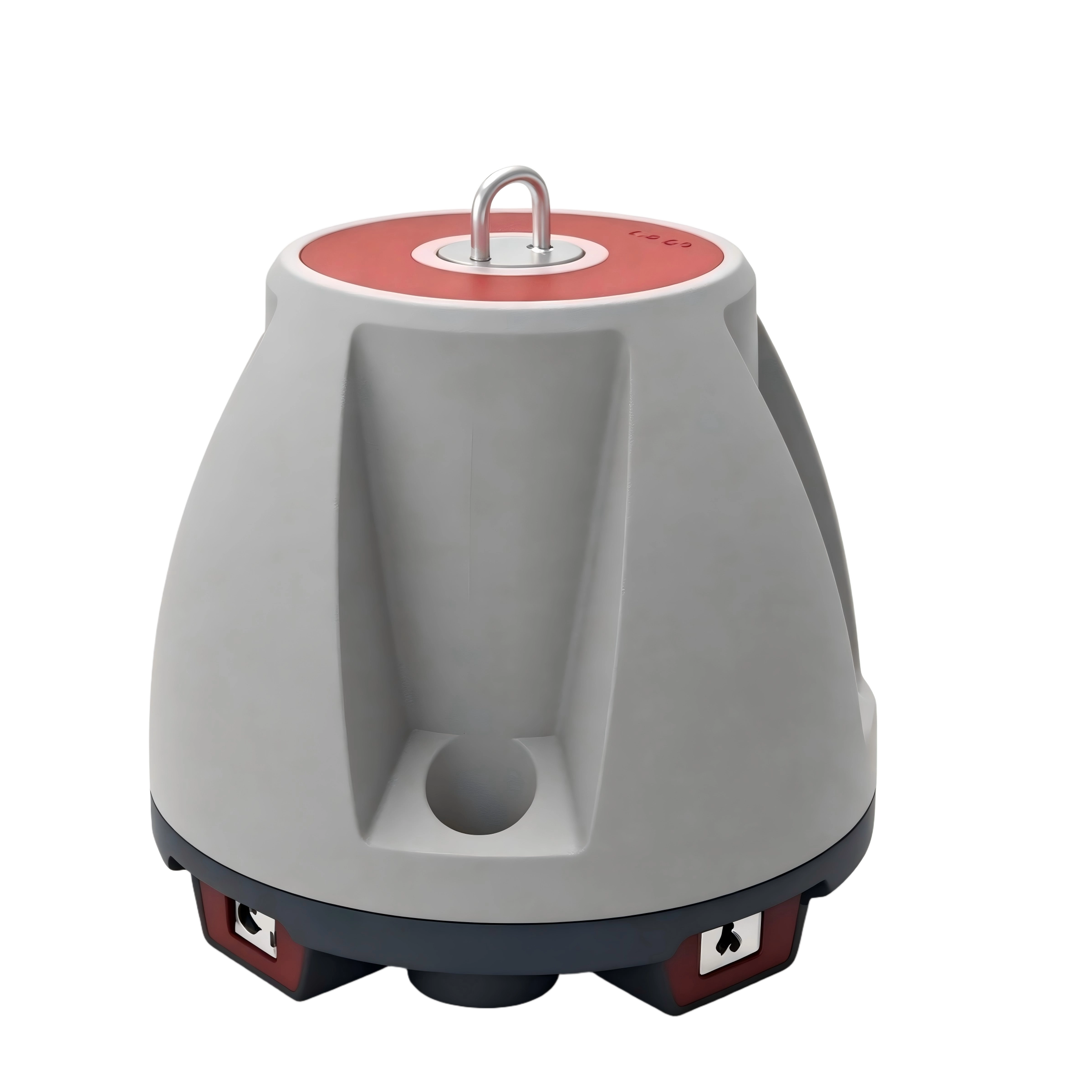
Facilities no longer rely exclusively on a single massive analyzer rack. Modern environmental compliance blends continuous baselines with agile, targeted field checks.
Traditional continuous emission monitoring remains the absolute baseline standard for strict regulatory compliance. These physical installations deliver a continuous data feed directly to the control room. They require significant upfront capital expenditure. However, they provide the highest level of demonstrable accuracy required by regional environmental protection agencies. You mount them permanently to the stack, where they run 24 hours a day.
Predictive systems offer a software-driven alternative to physical hardware. PEMS utilize historical operational data and machine learning algorithms to calculate expected emissions based on boiler temperature, fuel feed rates, and oxygen flow. You can legally use PEMS as a primary compliance tool in certain gas-fired turbine applications. They also serve as an excellent backup system. If your physical analyzer requires maintenance, the PEMS takes over. This prevents expensive regulatory downtime.
Smart facility managers actively validate their continuous data using agile spot-testing tools. They deploy an Intelligent Stack Dust(Gas)Tester to conduct precise particulate and gas baseline checks. This portable unit helps environmental technicians verify the accuracy of the main stack sensors during quarterly audits.
Additionally, inspecting aging stacks presents extreme safety hazards. Scaffolding is expensive and slow to build. Progressive plants now utilize a Drone-Mounted Flue Gas Detector to sample inaccessible elevations. Drones map hidden exhaust plumes and detect micro-leaks in ductwork without risking human life. These complementary tools ensure your continuous system always tells the truth.
Purchasing an emission monitor requires strict due diligence. Procurement teams must move beyond simple brochure specifications to evaluate real-world resilience.
You cannot legally install uncertified equipment. Verify immediately that the hardware meets specific regional mandates. In the United States, systems must conform to EPA 40 CFR Part 60 and Part 75 performance specifications. European facilities require EN 15267 certification alongside TÜV or MCERTS approvals. Ask the vendor for the explicit certificate number. Check this number against the official regulatory database before signing any purchase order.
Many procurement teams focus entirely on the initial purchase price. This approach leads to budgetary disasters. You must rigorously evaluate the long-term operational expenditures. Hidden costs accumulate rapidly. You will need high-purity consumable gases for daily automated calibration checks. Spare parts, like UV lamps and oxygen cells, degrade and require routine replacement. Calculate the required technician hours per month needed to keep the system operational. A cheaper initial analyzer often consumes double the maintenance budget within three years.
Vendors test their equipment in pristine, climate-controlled laboratories. Your stack environment is violently different. Assess vendor claims against your actual operating conditions. Flue gas often contains highly abrasive dust, extreme temperature fluctuations, heavy moisture content, and corrosive acid mists. Ensure the selected measurement range comfortably covers your normal operating baseline as well as unexpected emission spikes.
Your new monitor must communicate seamlessly with your existing Distributed Control System (DCS). Check the available communication protocols. Modern plants rely on Modbus TCP/IP, Profibus, or OPC UA to route emission data directly to operational dashboards. Furthermore, evaluate scalability. If you add a new boiler or if regulatory agencies lower the permissible emission limits next year, your DAHS software must accommodate these changes without requiring a complete system rebuild.
Evaluation Scorecard Matrix | ||
Evaluation Category | Primary Considerations | Impact on Compliance |
|---|---|---|
Certifications | TÜV, MCERTS, EPA Part 75 matching | High (Determines legal validity of data) |
Operating Costs | Calibration gases, sensor replacement rate | Medium (Affects OPEX but not legal status) |
Harsh Condition Accuracy | Moisture tolerance, dust handling | High (Prevents continuous reporting failures) |
DCS Integration | Modbus TCP/IP, open architecture | Medium (Crucial for plant automation) |
Even the most advanced analyzers fail if installed incorrectly. You must anticipate the physical and operational challenges of site integration.
Physical constraints dictate installation success. You cannot simply cut a hole anywhere in the exhaust duct. If you place the extraction probe too close to a duct bend or a fan, you risk non-representative sampling. Flue gas suffers from flow stratification. Pollutants concentrate in specific areas of the duct due to swirling vortexes. Environmental regulations usually dictate installing the probe at least two duct diameters downstream from any flow disturbance. Ignoring these geometric rules guarantees failure during your initial certification audit.
Optical sensors physically degrade over time. Lenses get dirty, and light sources dim. This causes calibration drift. The analyzer slowly begins reporting incorrect values. You must acknowledge the operational reality of this sensor drift. Set clear expectations for mandatory Quality Assurance and Quality Control (QA/QC) procedures. Facilities typically conduct daily automated zero and span checks using certified gas cylinders. Furthermore, you will face an annual Relative Accuracy Test Audit (RATA). During a RATA, independent contractors measure your stack manually and compare their results to your system's output.
Proprietary systems trap facilities in expensive cycles. Warn your team against proprietary DAHS data formats. If you cannot easily export your own historical data, the vendor holds your compliance hostage. Similarly, avoid restrictive Service Level Agreements (SLAs) that forbid your internal staff from performing basic filter swaps.
Common Implementation Mistakes:
Failing to heat the sample line adequately, causing acid dew point condensation.
Accepting closed-source DAHS software that charges a fee for every custom report.
Signing an SLA that lacks a guaranteed 24-hour technician response time.
Placing the analyzer cabinet in an area exposed to heavy vibration or direct afternoon sunlight.
Moving from technical evaluation to purchasing requires structured validation. Force competing vendors to prove their claims before you sign a contract.
Do not accept theoretical reliability calculations. Demand verifiable case studies. Ask for reference sites operating in industrial environments identical to yours. A system that works perfectly in a clean natural gas plant might fail within weeks at a cement kiln or petrochemical refinery. Call the environmental managers at those reference sites. Ask them directly about their typical monthly downtime and true maintenance burdens.
The best hardware still breaks. Your compliance depends entirely on how fast the vendor can fix it. Evaluate the vendor's local technician density. Where is their closest field engineer located? Assess their remote diagnostic capabilities. Can their support team log into your DAHS securely to troubleshoot a sensor fault without rolling a truck? Finally, demand written guarantees regarding spare parts delivery lead times. You cannot wait six weeks for a replacement pump while racking up regulatory fines.
Never install a complex monitoring system without a Factory Acceptance Test. The FAT validates system performance at the vendor's facility before shipping.
Review the physical build: Verify that all tubing, wiring, and heated lines match the engineering drawings exactly.
Inject calibration gases: Introduce known concentrations of test gas directly into the probe tip. Verify the analyzer reads the correct values within the allowed margin of error.
Simulate alarms: Trigger system faults, like a low sample flow or a cooling system failure. Ensure the DAHS properly logs the error and alerts the operator interface.
Validate reports: Generate a sample daily emission report to confirm the software formats data according to your local regulatory requirements.
The industry is rapidly shifting its perspective on environmental compliance. Forward-thinking facility managers no longer view an emission monitor as a forced grudge purchase. Instead, they treat these systems as critical operational and compliance insurance. Robust monitoring protects your facility's reputation, secures continuous production, and actively prevents catastrophic regulatory fines.
You now possess the foundational knowledge to navigate these complex procurements. Prioritize rugged sample conditioning, demand open-architecture data systems, and rigorously vet your vendor's localized service capabilities. Do not wait for an unexpected sensor failure to trigger an audit panic. We strongly advise you to initiate a comprehensive site infrastructure audit today. Draft your technical specifications and request detailed proposals from qualified vendors based on the objective criteria outlined in this guide.
A: In-situ monitors measure gases directly inside the stack using a cross-duct laser or inserted probe. They offer rapid response times but are difficult to access for maintenance. Extractive monitors pull a gas sample out of the stack and transport it down to a ground-level analyzer cabinet. Extractive systems are much easier to calibrate and maintain safely.
A: Most regulatory frameworks require daily automated zero and span calibration checks using certified gas cylinders. Additionally, facilities must perform extensive quarterly linearity checks and an annual independent Relative Accuracy Test Audit (RATA) to ensure the system has not drifted beyond legal limits.
A: No. A drone cannot replace a fixed system because it does not provide the continuous, 24/7 data required by environmental law. However, drones are invaluable complementary tools. They safely perform ad-hoc spot checks, map plume dispersions, and detect fugitive leaks at stack elevations that are hazardous for human technicians.
A: When a monitor fails, you begin accumulating missing data periods. Regulators typically enforce strict downtime allowances (e.g., maximum 5% downtime per quarter). Exceeding these limits results in heavy financial penalties. Facilities use Predictive Emission Monitoring Systems (PEMS) or strictly regulated mathematical substitution models to bridge short gaps until repairs finish.


